Mental Health Rehabilitation

Practical skills for steadier, more independent days.

We work alongside youth, adults, and caregivers to build coping, communication, daily living, and emotional regulation skills through a personalized rehabilitation plan.
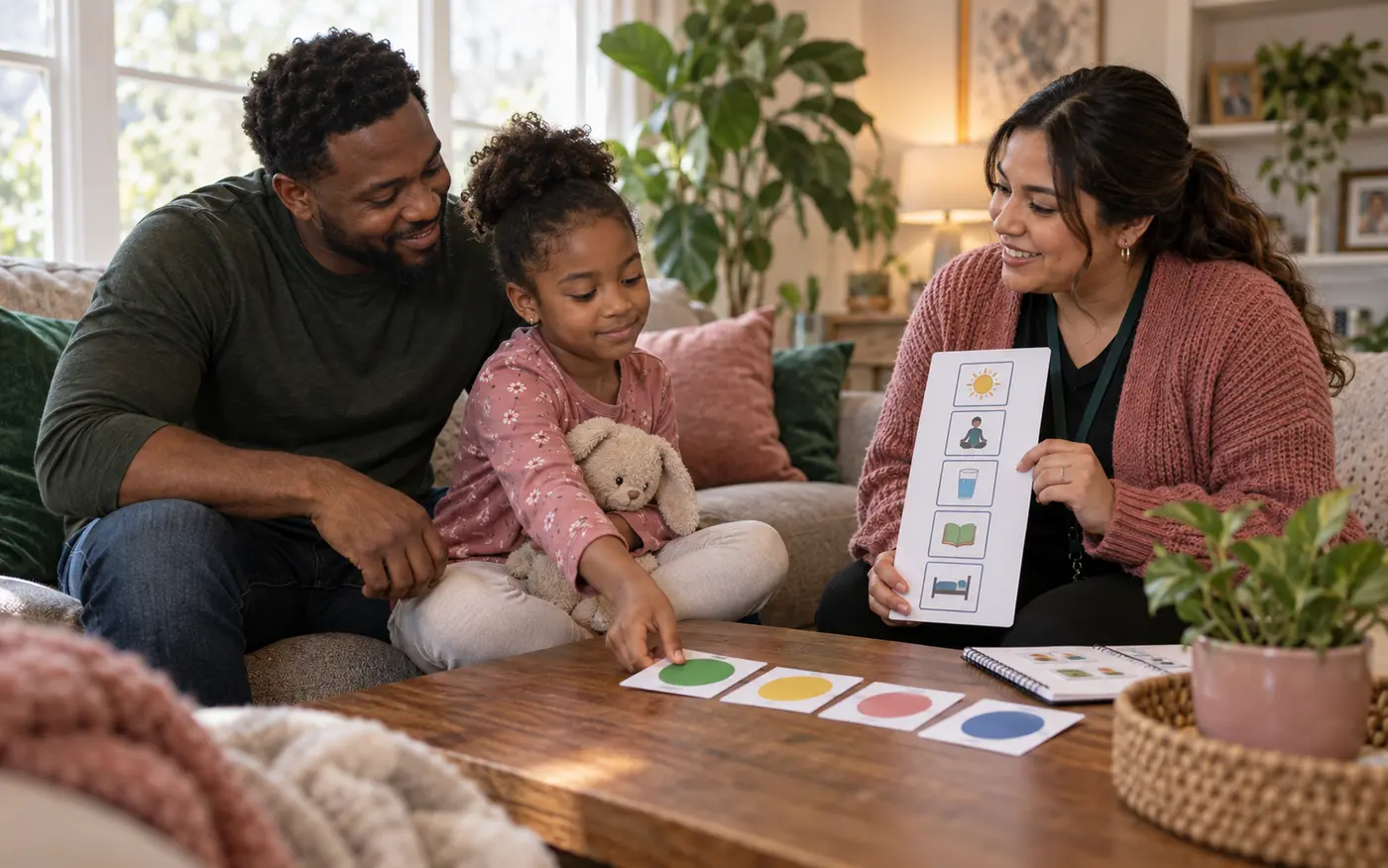
A mental health professional helping a father and daughter practice a positive family routine
Coming SoonThis Healing Path service is planned for a future phase.

Skills for everyday life

Practice where life actually happens.

Mental health challenges can make ordinary routines, relationships, school, work, and community life feel harder. Rehabilitation services break larger goals into manageable skills that can be practiced step by step.

Support is active and encouraging. We focus on what the person wants to improve, what is already working, and what tools can make daily life feel safer and more manageable.

What we help with
  • Daily living skillsBuild routines, organization, self-care, problem-solving, and greater independence.
  • Coping and regulationRecognize triggers and practice calming, recovery, and emotional regulation strategies.
  • Communication and relationshipsExpress needs, handle conflict, set boundaries, and strengthen healthy connections.
  • Community participationBuild confidence using skills at home, at school, at work, and in the community.
  • Crisis intervention and stabilizationPractice safety-focused coping and connect with the right crisis support when needs increase.
  • Goal supportTurn personal recovery goals into clear, achievable steps and recognize progress along the way.
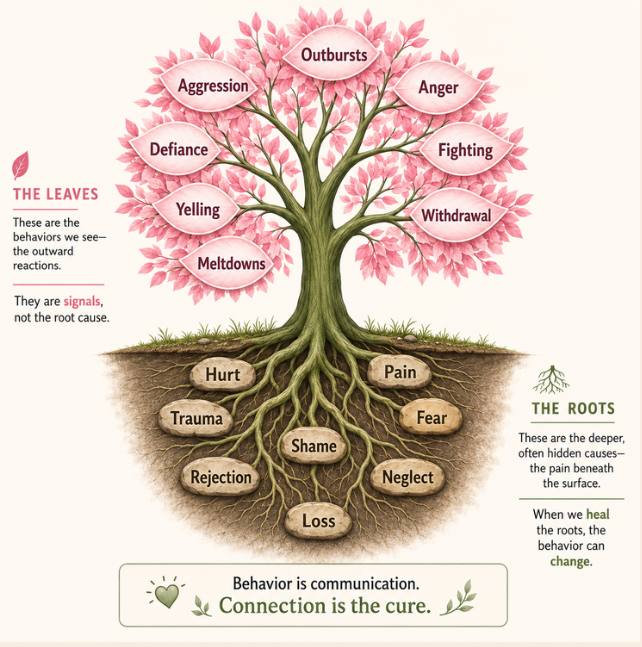
Tree illustration showing visible behaviors such as aggression, outbursts, anger, defiance, yelling, fighting, withdrawal, and meltdowns as leaves, with deeper experiences including hurt, trauma, shame, pain, fear, rejection, neglect, and loss shown among the roots
What others see on the outside may be connected to pain, fear, trauma, or an unmet need. Understanding the whole story helps us teach skills that truly fit.

What to expect

Small skills can create meaningful change.

The plan is personalized, practical, and designed for use between visits—not only during sessions.

Understand

Identify strengths, needs, daily challenges, and goals that matter to the person and family.

Practice

Teach and rehearse coping, communication, routine, and independent-living skills.

Strengthen

Use repetition, encouragement, and plan updates to help new skills become part of daily life.

A clearer path forward

Could hands-on skill support help?

Families and professionals can share the current need through the referral. We will explain whether Mental Health Rehabilitation may be an appropriate fit.

Request Services